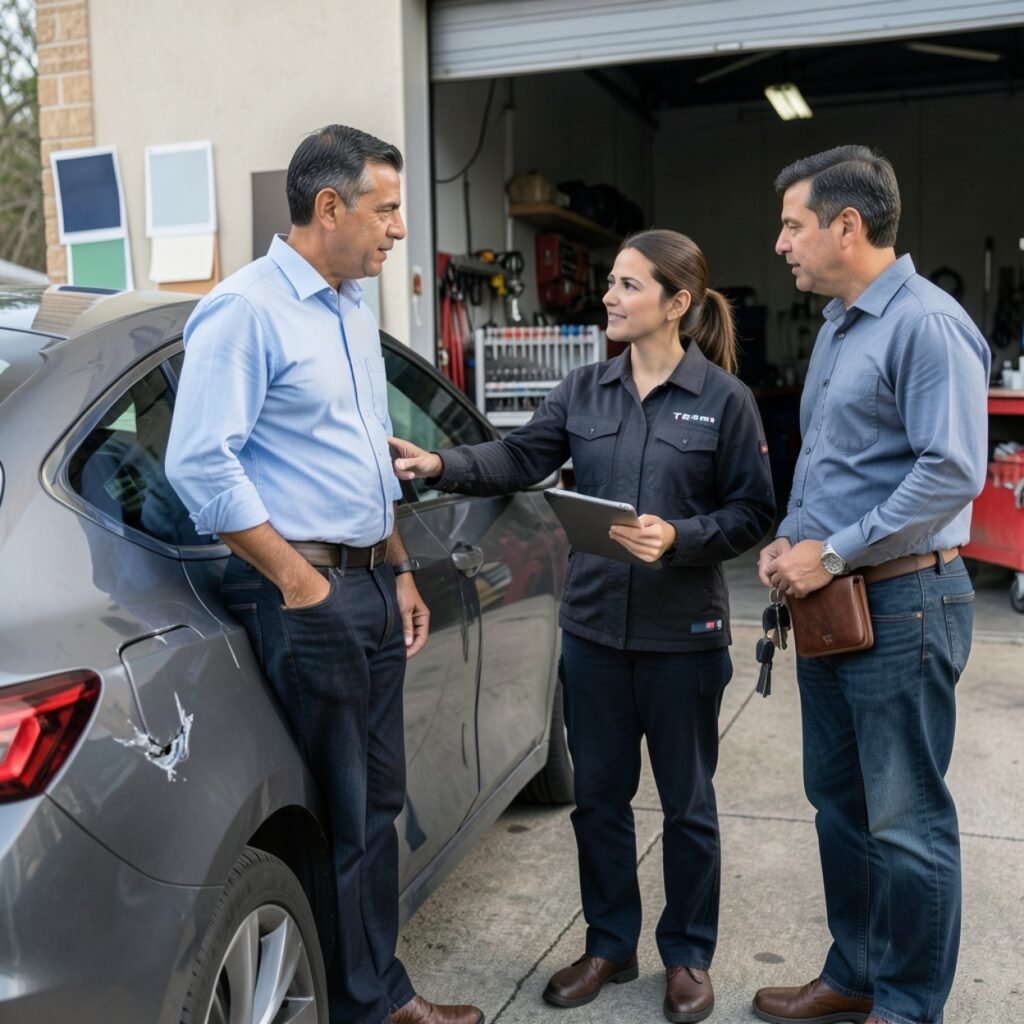

Auto insurance is not one-size-fits-all. The right policy depends on the vehicle, who drives it, where it is kept, how it is used, local legal requirements, and the amount of financial risk you can reasonably carry. Tesla owners should also consider repair arrangements, charging-related questions, and the exact vehicle configuration.
Start with the required protection
Check your state or local rules and understand liability coverage for injury and property damage. Minimum legal limits may not be enough to protect your finances after a serious accident; discuss suitable limits with a licensed insurance professional.
Compare collision and comprehensive
Collision generally addresses eligible damage from a crash, while comprehensive commonly applies to certain non-collision events such as theft, hail, or falling objects. Exact covered events, exclusions, and claim rules are set by the policy.
Choose a deductible deliberately
A higher deductible can reduce the premium but means paying more out of pocket for a covered claim. Choose an amount you could manage without borrowing, and compare the premium difference using identical coverage limits.
Ask Tesla-specific questions
Tell the insurer the exact model and trim, and ask how repairs are handled, whether approved repair facilities are required, and what applies to glass, rental reimbursement, roadside assistance, and installed charging equipment. Do not assume a vehicle policy covers every charger or home-electrical loss.
Compare written quotes fairly
Give each insurer the same driver details, annual mileage, garaging address, limits, deductibles, and optional benefits. Review exclusions, discounts, payment fees, claims support, and renewal terms—not just the headline price.
Keep your information current
Update the insurer when drivers, vehicle use, address, annual mileage, or ownership changes. Keep policy documents, photos, receipts, and claim communications together, and report incidents according to the policy instructions.
A practical next step
Before making a purchase or changing a policy, verify current specifications, prices, eligibility, and terms directly with the manufacturer, dealer, insurer, or a licensed professional in your area. This article is general educational information, not a quote, coverage determination, or financial recommendation.