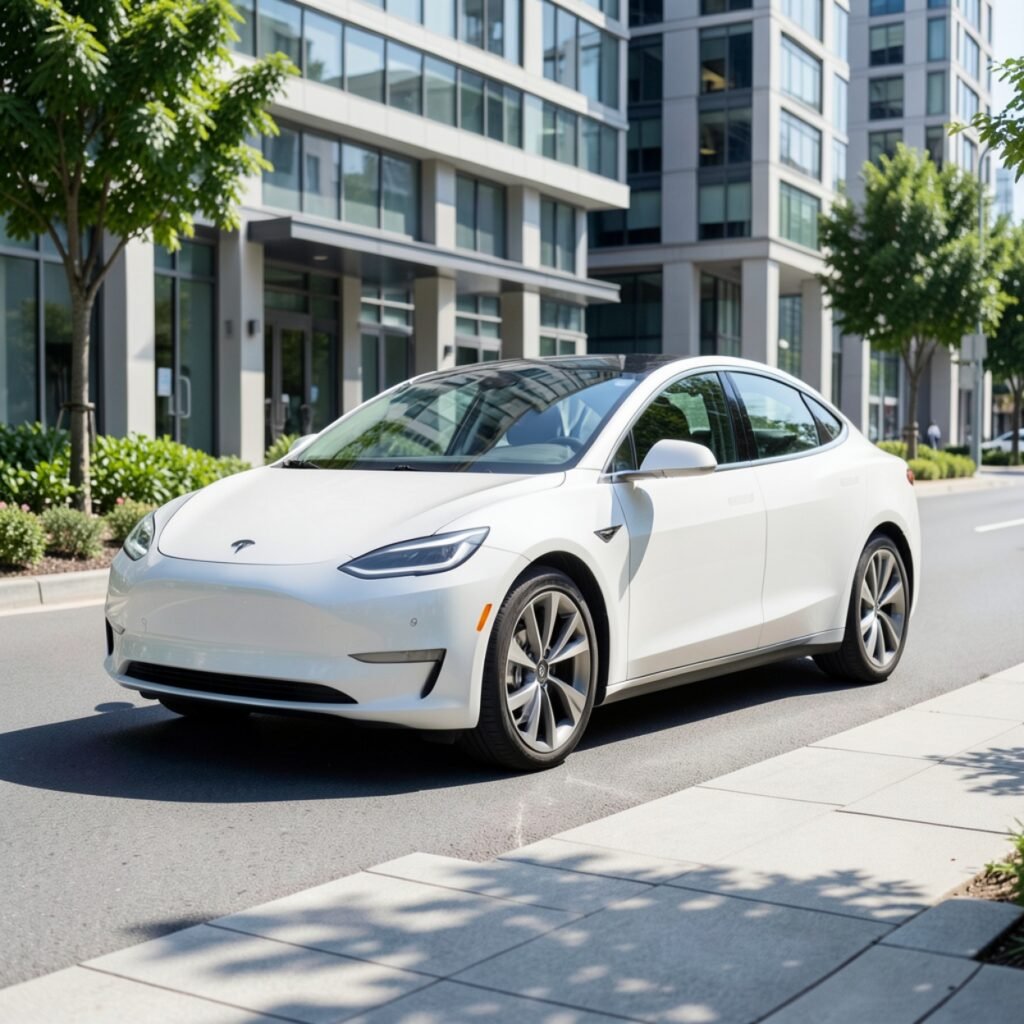

The Tesla Model 3 is an electric sedan worth evaluating if you want a daily driver with software-based controls, responsive acceleration, and the convenience of charging at home or at public stations. Whether it is a sensible purchase depends on your routes, charging access, budget, and local ownership costs.
Match the car to your routine
Think about daily mileage, passengers, parking space, weather, and the longest trip you make regularly. Check current specifications for the exact version because range, equipment, and pricing can vary by configuration and model year.
Plan charging before delivery
Home charging can be convenient when you have suitable parking and electrical capacity. Renters and apartment residents should confirm permission, installation requirements, and public charging availability before relying on a particular setup.
Calculate total ownership cost
Include financing, insurance, electricity, tires, registration, maintenance, and potential charger installation. Gasoline savings are not automatic: they depend on local electricity and fuel prices, efficiency, and how much you drive.
Get an insurance quote early
Ask several insurers to quote the exact vehicle and the same coverages. Repair networks, parts availability, deductibles, replacement-cost assumptions, and optional rental or roadside benefits can affect the value of a policy.
Check the details before buying
Take a test drive, review warranty terms, confirm delivery condition, and understand the return or cancellation terms that apply. Verify all current offers and specifications directly with official sources before making a financial commitment.
A practical next step
Before making a purchase or changing a policy, verify current specifications, prices, eligibility, and terms directly with the manufacturer, dealer, insurer, or a licensed professional in your area. This article is general educational information, not a quote, coverage determination, or financial recommendation.